
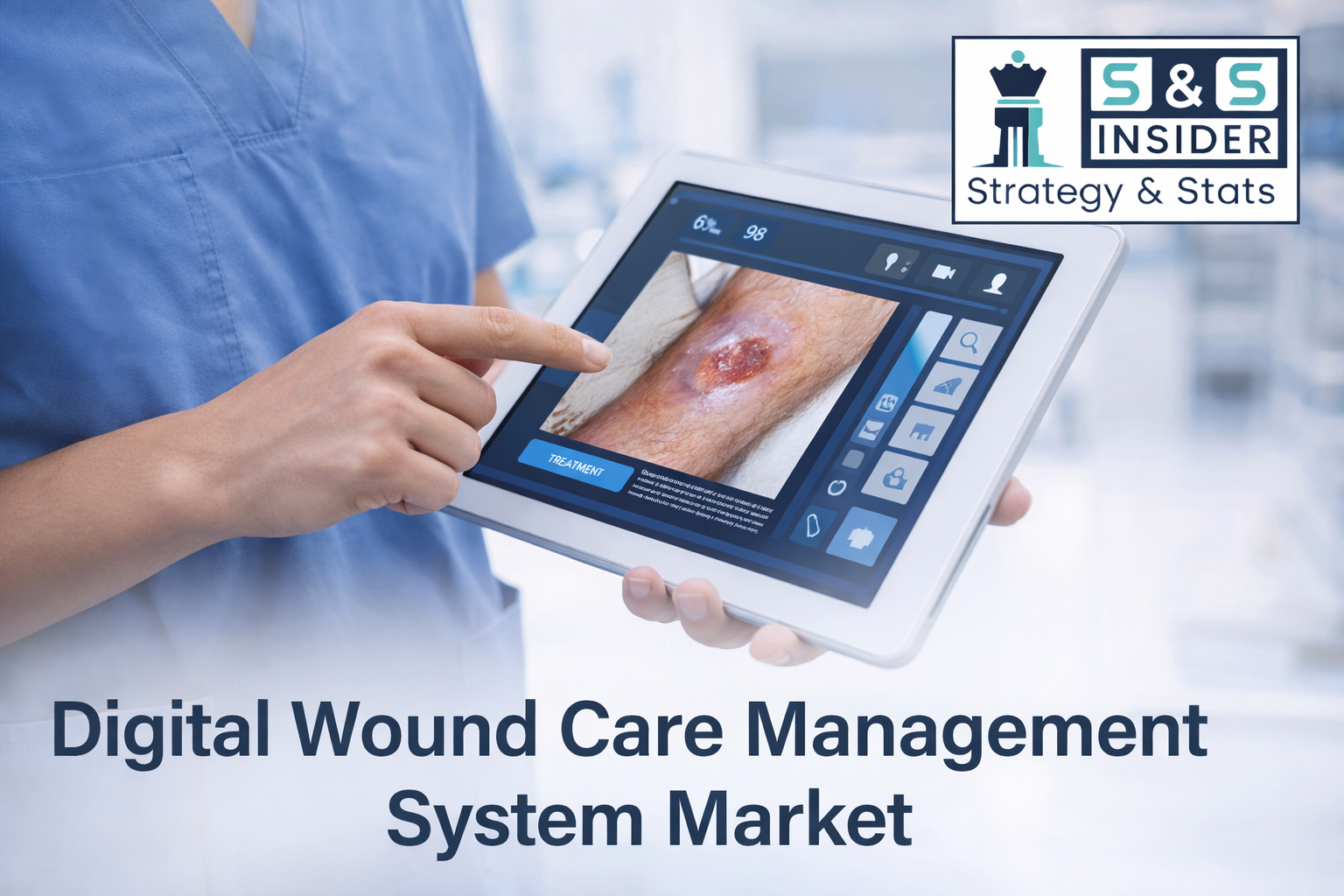
Digital Wound Care Management System Market Overview and Growth Drivers
The digital wound care management system market was valued at USD 3.86 billion in 2023 and is projected to reach USD 7.24 billion by 2032, growing at a CAGR of 7.28% from 2024 to 2032. The market is witnessing rapid growth due to increased adoption of digital solutions in wound care management, which offer more efficient, precise, and personalized treatment options. Advanced technologies such as artificial intelligence (AI), telemedicine, and data analytics are transforming traditional wound care processes, improving patient outcomes, and reducing healthcare costs.
Healthcare providers in hospitals, wound care clinics, and home care settings are increasingly relying on these digital platforms for timely wound diagnosis, monitoring, and documentation, which allows better healing outcomes while reducing unnecessary hospital visits.
Rising Incidence of Chronic Wounds Driving Market Expansion
Globally, over 422 million people live with diabetes, according to the World Health Organization, with 15–25% developing diabetic foot ulcers. In addition, nearly 2.5 million patients develop pressure ulcers annually in the United States, according to the US National Institutes of Health. The growing geriatric population, prone to acute and chronic wounds, further fuels demand for advanced wound monitoring devices.
Digital wound care management systems provide real-time monitoring, early intervention, and personalized treatment plans, which are crucial for managing complex wound cases. The combination of these factors is accelerating market growth and expanding adoption across healthcare facilities worldwide.
Technological Advancements in AI and Telemedicine Boost Market Potential
The integration of AI and telemedicine into digital wound care systems is revolutionizing wound monitoring and management. AI-driven platforms enable precise post-surgery wound assessment, reducing errors and improving clinical decision-making. Telemedicine facilitates remote monitoring, minimizing the need for in-person consultations and expanding access to care in underserved or rural regions.
AI adoption in wound care is expected to grow at a CAGR of 37.6% from 2024 to 2032, reflecting increasing reliance on AI solutions to streamline workflows and improve patient outcomes. These technological advancements are enhancing market expansion by providing faster, more accurate wound assessments and personalized treatment plans.
Market Restraints: High Implementation and Maintenance Costs
Despite promising growth, the Digital Wound Care Management System Market faces challenges due to high implementation and maintenance costs. The upfront investment required for hardware, software, and AI-enabled platforms can be prohibitive for smaller healthcare providers or institutions in emerging markets.
Additional expenses, including system maintenance, software updates, and staff training, can slow adoption rates in price-sensitive regions. However, long-term cost savings and improved patient outcomes often outweigh initial investments, promoting gradual market growth.
Segment Analysis: Software and Hardware Driving Market Share
By product, the software segment dominated with a 68.25% share in 2023, driven by investments in remote patient monitoring and decision-support tools. Innovative initiatives, such as smartphone-based wound care monitoring, are transforming how chronic wounds, particularly diabetic ulcers, are managed.
The hardware segment is expected to witness significant growth due to smart wound care devices like sensors and semi-automatic imaging tools, allowing real-time monitoring and rapid analysis of wound progression. The integration of IoT devices in wound care further supports the expansion of this segment.
Chronic Wounds Lead Market Growth, Acute Wounds Gain Traction
Chronic wounds accounted for 53.96% of the market share in 2023, largely due to rising cases of diabetes, vascular disorders, and age-related complications. Digital tools provide personalized care and remote monitoring, enhancing cost-effectiveness and patient outcomes.
The acute wound segment is projected to achieve the fastest growth, supported by digital solutions for post-surgical and trauma wound care. AI-powered imaging and analytics enable more precise wound assessments, accelerating adoption in clinical settings.
End-Use Analysis: Hospitals and Wound Care Clinics Fuel Demand
Hospitals led the market in 2023 with a 47.58% share, driven by the need for advanced wound care solutions in acute care settings. Digital systems enhance documentation, real-time monitoring, compliance, and resource management, improving patient outcomes and operational efficiency.
Wound care clinics are expected to experience the fastest growth, driven by the adoption of advanced imaging technologies and personalized care approaches. The trend toward outpatient care and specialized wound management services is boosting the adoption of digital solutions in this segment.
Regional Insights: North America and Europe Lead Market Expansion
North America dominated the market with a 31.96% share in 2023, supported by a robust healthcare infrastructure and high adoption of digital health solutions. Investments, such as Swift Medical’s USD 8 million funding in January 2024, highlight growing interest in AI-powered wound care platforms.
Europe is witnessing growth due to an aging population, rising chronic wound prevalence, and technological advancements in AI and telemedicine. Countries like the UK are adopting digital platforms like NATROX IQ to streamline wound care management and improve patient outcomes.
Competitive Landscape: Key Players Driving Innovation
Smith & Nephew, Mölnlycke Health Care, 3M Health Care, Acelity, ConvaTec, KCI Medical, Hollister Incorporated, Derma Sciences, Boston Scientific, WoundMatrix, Tegaderm, Baxter International, Medtronic, Celleration, Nexus Medical, Woundtech, Biovance, Medline Industries
These market players focus on product innovation, partnerships, and technological enhancements to expand their presence in the global digital wound care management system market.
Future Outlook: Market Expansion Through AI and Remote Monitoring
The Digital Wound Care Management System Market is expected to grow steadily over the next decade, driven by AI-based analytics, remote monitoring, and personalized treatment solutions. Adoption of advanced digital tools in hospitals, clinics, and home care settings is likely to improve patient outcomes while reducing healthcare costs.
As healthcare providers increasingly rely on real-time monitoring and predictive analytics, the digital wound care management market will continue to attract investments and technological innovation. Expansion in emerging markets is anticipated as affordability improves and awareness of digital solutions increases.
ConclusionThe global Digital Wound Care Management System Market is positioned for robust growth, fueled by rising chronic wound prevalence, an aging population, and advancements in AI and telemedicine. Hospitals, wound care clinics, and home care settings are increasingly adopting these digital solutions to enhance patient care, reduce treatment costs, and improve workflow efficiency. Despite high initial implementation costs, the long-term benefits of digital wound care systems make them indispensable in modern healthcare.